
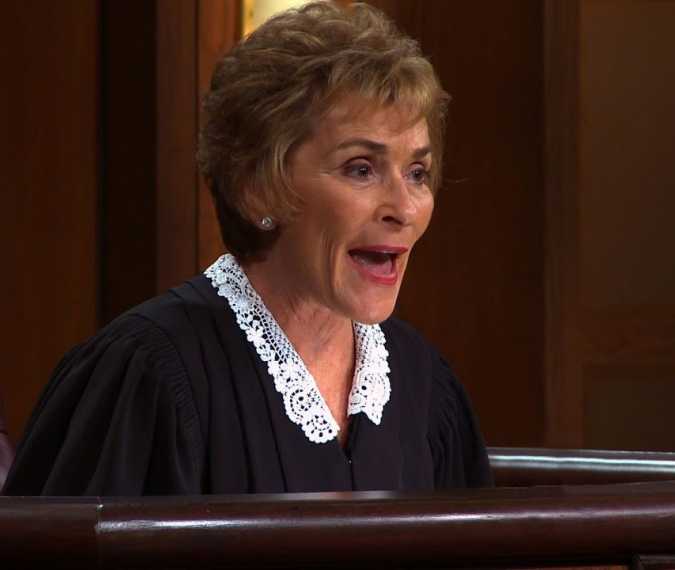
Judge Judy Says 'If You Don't Like This Country, Go Somewhere Else'
Judy Sheindlin brought her familiar bluntness to a USA TODAY interview, sharing strong opinions about American identity, individual achievement and the growing difficulty of discussing politics respectfully.
The 83-year-old television judge spoke as CBS marked three decades since Judge Judy's debut with its anniversary special, Judge Judy: Unfiltered, Unforgettable. The program celebrated a career that made her one of television’s most recognizable personalities.
Speaking about her attachment to the United States, Sheindlin offered a pointed message: “If you don’t like this country, go somewhere else.”
Photo: Youtube
She described America as a country that had treated her well and argued that people who prefer a different national system should consider living elsewhere. Her remarks reflected a strong defense of capitalism and opposition to socialism.
Sheindlin credited the country’s emphasis on entrepreneurship and exceptional ability with encouraging innovation. Examples she mentioned included the polio vaccine, Apple, Amazon, and advances in artificial intelligence.
She also challenged the idea that people have identical talents or capabilities. Pointing to differences in physical characteristics and musical ability, she argued that individual distinctions are natural and that excellence deserves recognition.

Photo: Youtube
Her political record, however, includes support for candidates from different parties. She backed Michael Bloomberg’s bid for the Democratic presidential nomination in 2020, then endorsed Nikki Haley during the 2024 Republican primary. She also appeared with Haley on the campaign trail in New Hampshire.
In a separate 2024 interview with CNN’s Chris Wallace, Sheindlin criticized the prosecution of Donald Trump in his Manhattan hush-money case while making clear that her objections did not amount to support for him. Her position on that case and her choice of presidential candidate were separate matters.
Beyond electoral politics, Sheindlin expressed frustration with hostility in public life. She spoke about racism, antisemitism and violence, and lamented how political differences can prevent relatives from having civil conversations.
When the discussion turned to her own family, she ended on a lighter note, joking that relatives were too afraid of her to let those disagreements take over. The response echoed the commanding humor that has defined her television presence for decades.